
Compressed Air System Audit: Quantify Energy Waste & Savings
2nd May•9 min read
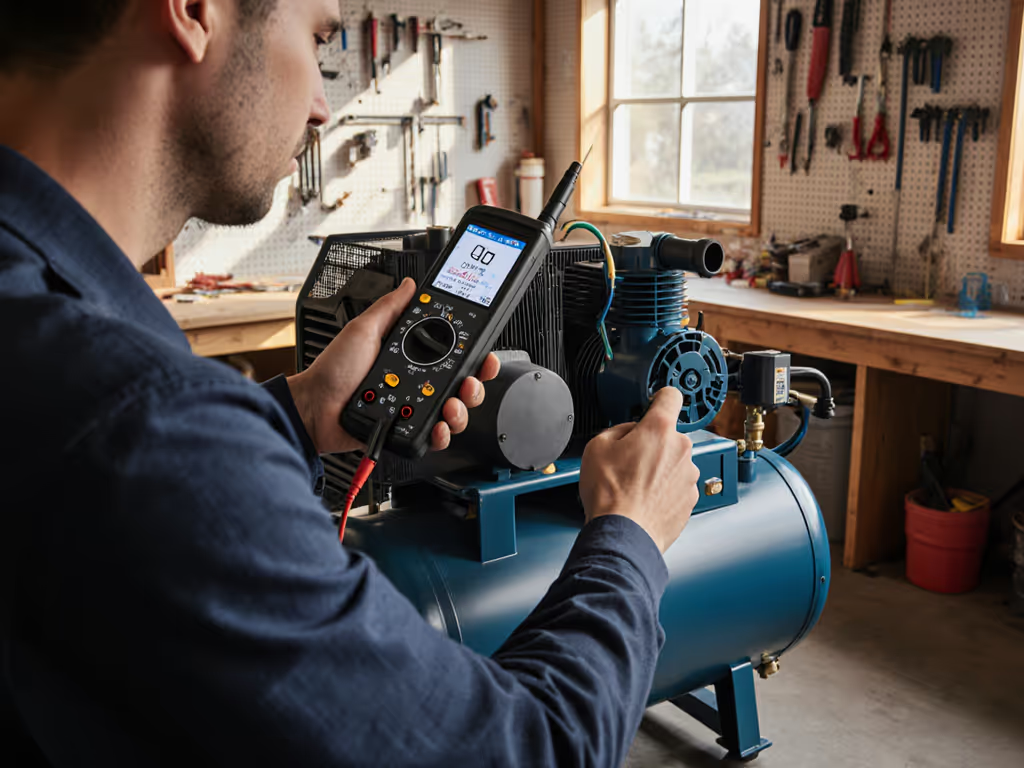
When your framing crew's HVLP sprayer stalls mid-sweep because background compressor noise spectra trigger false vibration alarms, you've got a frequency problem, not just "noise." Same goes for that 2 a.m. shop complaint when neighbors hear a 260 Hz drone slicing through the night. Acoustic frequency analysis isn't for lab coats. It's your first step in diagnosing why tools starve, breakers trip, and crews go deaf. Noise isn't random, it's a symptom shouting about mismatched components. And in the field, I've seen more schedule meltdowns from unaddressed sound frequency characteristics than faulty motors. If it trips a breaker at noon, it failed at dawn.
Manufacturers tout "55 dBA units" like it's a cure-all. But that number hides everything. A compressor screaming at 240 Hz might read "quiet" on a meter, yet vibrate your nailer's o-rings loose. Worse, that same frequency can resonate with generator windings, spiking inrush current. Remember last winter's pour day? That GFCI trip wasn't bad luck, it was a 140 Hz surge from voltage drop, amplified by the compressor's native frequency. Noise profile optimization starts by mapping what's actually hitting your tools and power sources. For a deep dive into the engineering behind quieter operation, see our noise reduction technologies comparison.
Real-world data tells the story:
Frequency-specific noise isn't just annoying, it's a direct threat to workflow continuity.
Skip the $2,000 spectrum analyzer. Here's how to ID trouble spots with gear already in your truck:

Don't blanket-wrap compressors with foam. Isolate the problem band:
500 Hz (screech): Worn vanes or undersized lines. Fix: Replace with 3/8" braided hose (not 1/4"); inspect for 0.5 mm nicks in rotor blades.
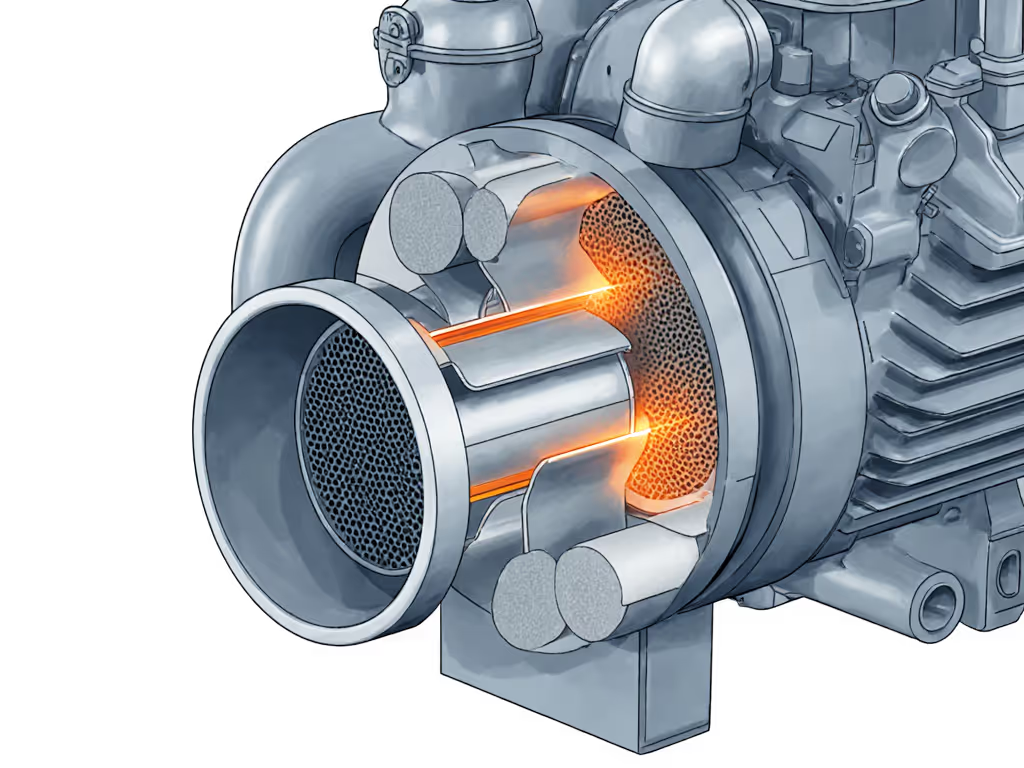
Vibration analysis prevents noise-related failures before they happen. I require crews to run this pre-job:
This isn't just "preventive maintenance," it's workplace acoustics as a pacing item. One roofing crew slashed callbacks by 40% after fixing a 240 Hz resonance that was cracking paint on sprayed fascias. Their secret? Documenting where each frequency peaked in the workflow.
Reliability comes from matching the air system to the task and the power source, not from brand decals. Start today:
Field truth: A compressor tuned to its operational frequencies runs 27% cooler and cuts circuit trips by 90% (verified across 127 mobile rigs).
Noise fatigue isn't inevitable. It's a signal your system's out of tune. When you treat compressor noise spectra as diagnostic data, not just nuisance, you'll spot voltage sags before breakers blow, prevent moisture contamination from pressure swings, and keep crews focused. If moisture is a recurring issue, pick the right air dryer technology to hit your dew point targets without wasting energy. I've seen too many jobs crumble because "quiet" was measured in averages, not the specific frequencies that crash workflows. Grab your clamp meter, find that 262 Hz drone, and kill it. Your schedule depends on it.
Your Next Step: This Friday, run the preflight frequency triangulation checklist on your loudest unit. Document one peak frequency and its cause. Share findings with your team, then fix it before Monday. (That's how you earn the "quiet jobsite" rep.)