Professional & Industrial Comparisons
Technology and use-case comparisons for commercial and industrial buyers, including brand reliability and application-specific recommendations.
Top Articles
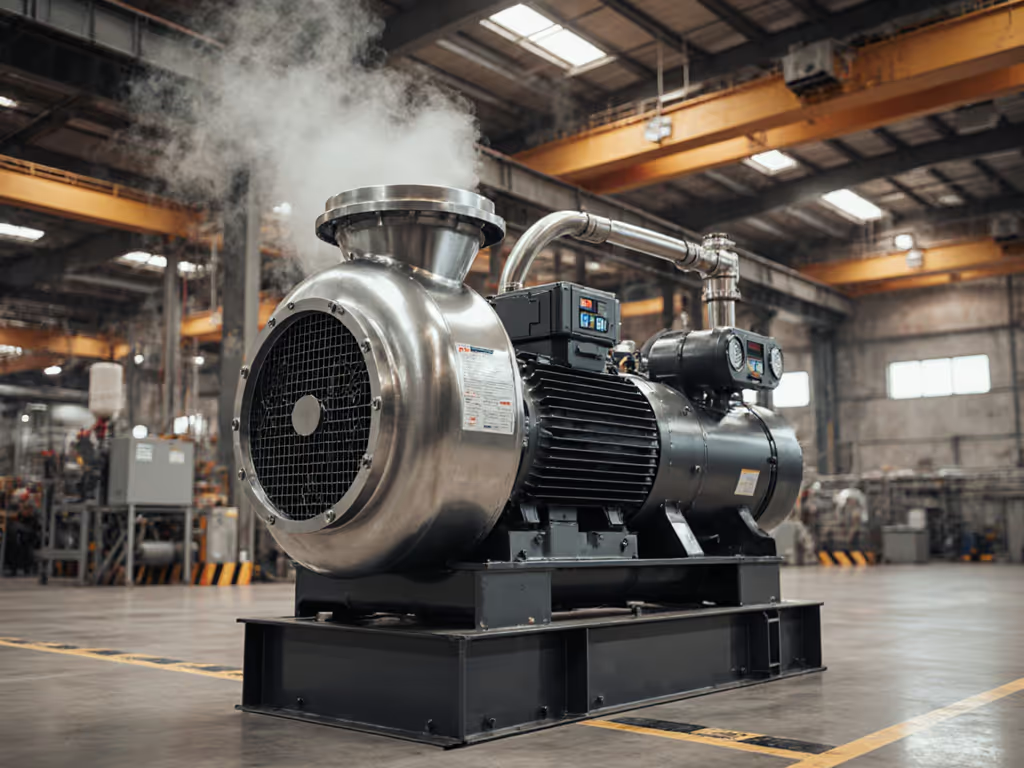
Hydrogen Compression Systems: Clean Energy Safety Essentials
Treat noise as a safety‑critical design parameter in hydrogen compression. Learn how to use spectral measurements, ventilated enclosures, vibration isolation, and smart line routing to reduce fatigue, errors, and hearing exposure without sacrificing efficiency.
Air Dryer Comparison: Optimize Dew Point and Energy Costs
Compare refrigerated, desiccant, and deliquescent dryers by dew point, energy use, and maintenance to match tools and runtime while avoiding moisture defects and pressure-drop bottlenecks. Get tested guidance on verifying dew point at working pressure, sizing for CFM-at-90 psi, and reducing operating costs.
Overheating Solved: Air vs Water Cooled Compressors Compared
See why cooling, not brochure ratings, dictates real CFM at 90 psi, with test data showing air-cooled units fade in heat while water-cooled systems hold steady. Apply clear criteria around duty cycle, ambient temperature, and space to choose a setup that avoids stalls and recovery waits.
Food Grade Air Compressors: ISO Class 0 Certification Compared
Cut through ISO Class 0 confusion to see compliance as a documented, system-wide performance standard - not a sticker. Get practical steps on compressor selection, filtration staging, intake and condensate control, noise management, and verification testing to reduce contamination and protect throughput.
Auto Shop Portable Air Compressors: 5 Top Units Tested
Learn which of five portable compressors actually deliver clean, dry, stable air at the tool for sanding and HVLP spraying, based on real at-the-tool measurements. Prioritize CFM at pressure, true duty cycle, noise, and a four-stage drying/filtration setup to prevent fisheyes and costly rework.
Oil-Free vs Oil-Lubricated: Contamination Control Guide
Learn why moisture - not oil - is the chief cause of finish defects and how to engineer clean, dry, stable air from tank to tool. Follow clear steps to size dryers, stage filtration, manage pressure drops, and choose oil-free or oil-lubricated compressors based on your contamination profile.
Explore Other Topics

Foundational knowledge to understand compressors and choose the right capacity, including how they work, key specs, and sizing methods.
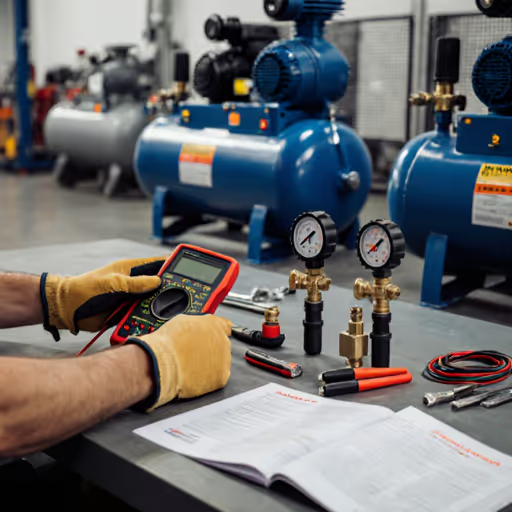
Practical guidance for setting up compressors, keeping them running, fixing common issues, and finding qualified service providers.
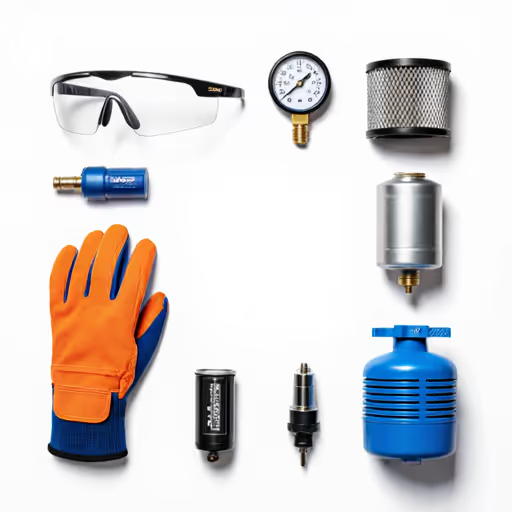
Safety and compliance essentials, energy-efficiency best practices, and accessories/air treatment components that improve system performance.

Buyer advice and product picks tailored to homeowners and light-duty, indoor or residential use.