Moisture Analysis Comparison: Dew Point Accuracy
6th May•10 min read
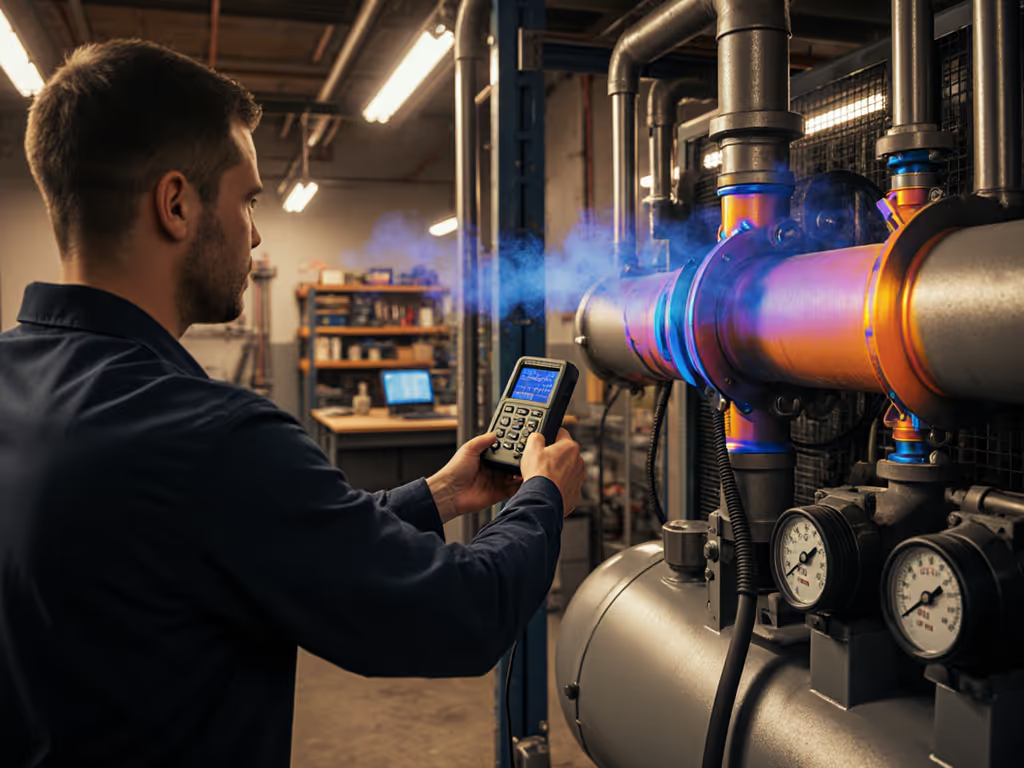
When evaluating your air compressor leak detection options, the choice between ultrasonic vs thermal leak detection methods can significantly impact your shop's efficiency, noise profile, and operational costs. As someone who's measured more workshop acoustics than I can count, I've found that proper leak detection isn't just about finding air escapes, it's about creating a sustainable workflow where fatigue decreases and throughput increases. Modern ultrasound technology now outperforms thermal imaging for precision airtightness testing, delivering leak detection accuracy that directly affects your bottom line. Let's examine both approaches through the lens of real-world industrial leak detection scenarios, where every decibel saved and every cubic foot conserved contributes to a more productive workspace.
Thermal imaging identifies temperature differentials on surfaces, creating color-mapped visualizations of heat flow through building envelopes or components. While useful for insulation assessment, thermal cameras struggle with air leak detection because they rely on heat signatures that may not correlate with actual air movement. An infrared camera might show a cold spot, but is that a leak or just poor insulation?
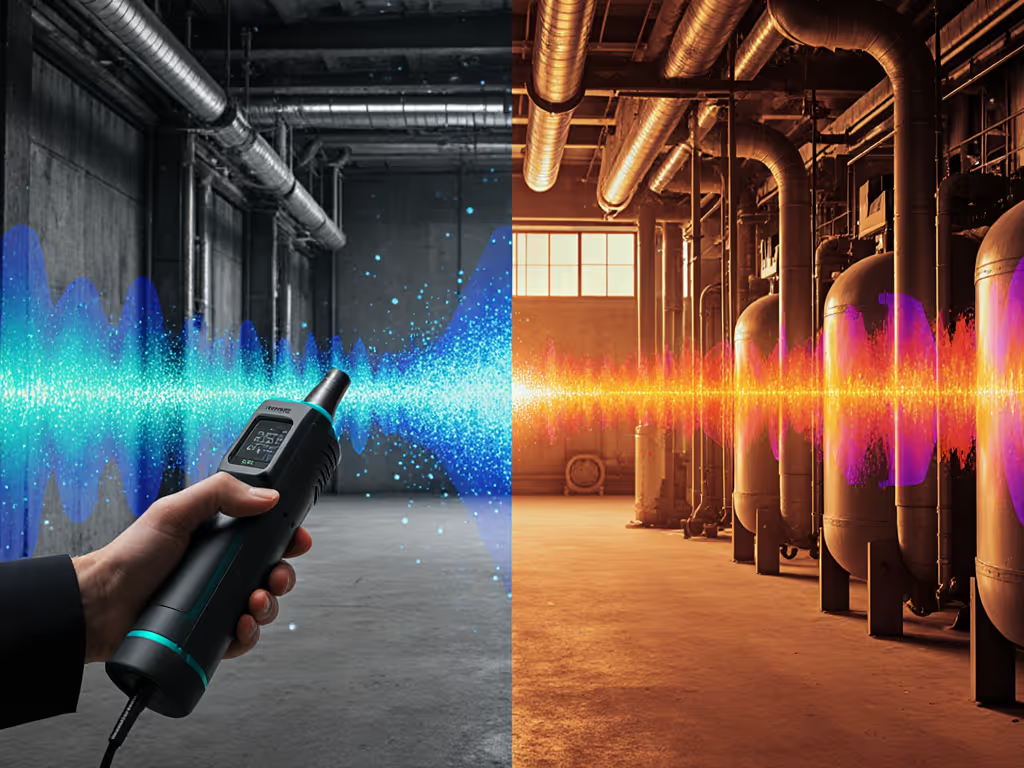
Ultrasonic detection, conversely, listens for the high-frequency noise created by turbulent airflow escaping through even microscopic openings. The physics is straightforward: when pressurized air escapes through a small opening, it creates turbulent flow that generates sound waves above 20 kHz (well beyond human hearing). If you need a refresher on the core principles behind pressure, flow, and leak dynamics, see our beginner guide to how compressors work. Advanced ultrasound devices like the Coltraco Portascanner® Airtight 520 can detect and quantify leaks as small as 0.5mm in diameter, reporting A-weighted and unweighted dB at 1 m to give you precise measurements of both severity and location.
Measure from one meter, same floor. That's how I ensure consistent comparative readings when evaluating leak detection equipment in varying shop environments with different floor types and wall materials.
For compressed air check valves and distribution systems, ultrasound wins decisively on accuracy. Thermal imaging provides only qualitative visual indications (those colorful hotspots don't tell you the airflow rate or the actual size of the leak). You're left guessing whether that purple spot represents a minor drip or a major blowout.
Ultrasonic technology, particularly with acoustic imaging cameras like the FLIR Si124, measures actual air flow rates through leaks. I recently helped a metal fabrication shop identify multiple tiny leaks in their overhead lines that their thermal camera had completely missed. When we quantified the leaks using ultrasound, they were losing 18 CFM across their system, enough to reduce compressor recovery time by 40% and drop ambient noise by 7 dBA. To understand how airflow and pressure specs translate in practice, check our CFM vs PSI guide. Quiet isn't luxury; it's throughput and focus you can hear.
Thermal imaging requires specific conditions to work effectively: you need a temperature differential of at least 9°F (5°C) between inside and outside, making it unreliable for quick assessments during mild weather. Sunlight, wind, and even recent rain can distort thermal readings, forcing you to reschedule inspections. I've seen shops waste days waiting for "perfect" conditions to conduct thermal scans.
Ultrasonic detection works consistently regardless of weather, time of day, or ambient temperature. The only requirement is sufficient pressure differential across the leak point. In my workshop assessments, I've documented cases where ultrasound detected leaks during midday summer heat when thermal cameras showed nothing. The acoustic imaging approach isn't dependent on external thermal conditions, it measures what matters: actual air movement.
The Portascanner® Airtight 520 detects leaks even if there is no heat flow occurring and quantifies them directly to indicate severity, a crucial advantage for accurate system diagnostics.
When I analyze cost-effective leak detection for shop owners, I look beyond the initial purchase price to calculate total operating costs over time. High-quality thermal imaging cameras typically cost $20,000-$40,000 (significant for most small shops). But the real cost comes from what they miss.
Field studies show acoustic imaging detects leaks approximately 90% faster than traditional ultrasonic methods. One automotive shop I consulted with reduced their monthly leak detection time from 16 hours to just 90 minutes using an ultrasound camera system. At $75/hour shop rate, that's nearly $1,000 monthly in recovered productivity, not to mention the 30% compressed air savings they realized.
Consider this calculation we implemented for a cabinet shop: After we relocated their compressor into a ventilated closet with isolation pads and ducted lined intake/exhaust, their measured dBA dropped by 12. Conversations returned, fatigue fell, and finish rework quietly followed. For placement, ventilation, and vibration isolation best practices, see our air compressor installation guide. The ultrasound-based leak detection paid back in less than six months through reduced energy costs and higher-quality output.
Many shops overlook compressed air check valves when setting up leak detection protocols, but these components significantly impact measurement accuracy. When conducting ultrasound tests, I always verify that check valves are properly installed and functioning. A faulty check valve can create false positives by allowing air to flow backward through the system, mimicking a leak signature.
During a recent assessment of a mobile detailing operation, I discovered that what appeared to be multiple leaks in their air lines was actually a single failing check valve causing system-wide pressure fluctuations. Proper valve maintenance prevents these diagnostic errors and ensures your leak detection efforts target actual problems rather than system artifacts. If symptoms persist after valve checks, use our air compressor troubleshooting guide to isolate pressure and flow faults systematically.
Here's where my expertise in noise reduction directly intersects with leak detection: air leaks aren't just energy drains, they're significant noise sources that contribute to hearing fatigue and workplace errors. The turbulent airflow through even small leaks generates broadband sound that extends from audible to ultrasonic frequencies. When I measure workshop environments, I consistently find that addressing air leaks reduces overall noise levels by 5-15 dBA, depending on the system. For deeper strategies beyond leak sealing, explore our noise reduction technologies comparison.
Addressing psychoacoustic harshness, not just loudness, transforms workshop environments. I remember one shop owner who thought compressor noise was just part of it until we sealed his leaks. Suddenly, he could hear his radio again, converse with assistants without shouting, and noticed fewer painting errors. The human ear perceives even small noise reductions as dramatically improved working conditions.
For comprehensive shop assessment, I recommend a strategic approach: use thermal imaging to evaluate insulation performance and thermal bridging, then deploy ultrasound for precise air leak quantification. These technologies complement each other when applied correctly.
One woodworking shop I consulted combined both methods to optimize their HVAC and compressed air systems. They used thermal imaging to identify poorly insulated sections of their building envelope, then ultrasound to pinpoint compressed air leaks in their tool lines. The combined approach reduced their total energy consumption by 22% while improving indoor air quality and worker comfort.
When selecting between ultrasonic and thermal approaches for your shop, consider your specific needs, budget, and the type of systems you're evaluating. For industrial leak detection focused on compressed air systems, ultrasound technology delivers superior accuracy, consistency, and cost-effectiveness compared to thermal imaging.
The quietest shops aren't those with the most expensive equipment, they're the ones where owners understand that every leak sealed contributes to reduced fatigue, fewer errors, and more consistent output. As I specify airflow paths and cooling clearances in all my enclosure designs, I remind clients that sustainable noise control pays back in throughput and safety.
Before investing in new detection technology, consider conducting a baseline assessment of your current system's performance. Measure your compressor's run time, document your shop's ambient noise levels, and track how often workers need to shout to communicate. These metrics will help you quantify the return on your leak detection investment.
For those ready to explore ultrasound technology further, I recommend starting with a handheld ultrasonic detector to build familiarity with the method before investing in more advanced imaging systems. Remember that proper training is essential, interpreting ultrasound readings requires understanding both the technology and your specific air system's characteristics.
Quiet shops aren't accidents; they're the result of thoughtful measurement and intentional design. When you can measure leaks precisely and address them systematically, you transform not just your compressed air system, but your entire workshop culture.
Measure from one meter, same floor. This simple practice ensures consistent, comparable data that drives meaningful improvements in your shop's efficiency and comfort.
To deepen your understanding of effective air leak management, consider these next steps:
Remember that the quietest, most efficient shops aren't built overnight, they're constructed through consistent measurement, targeted improvements, and an understanding that every decibel saved contributes to greater productivity and worker well-being.