Moisture Analysis Comparison: Dew Point Accuracy
6th May•10 min read
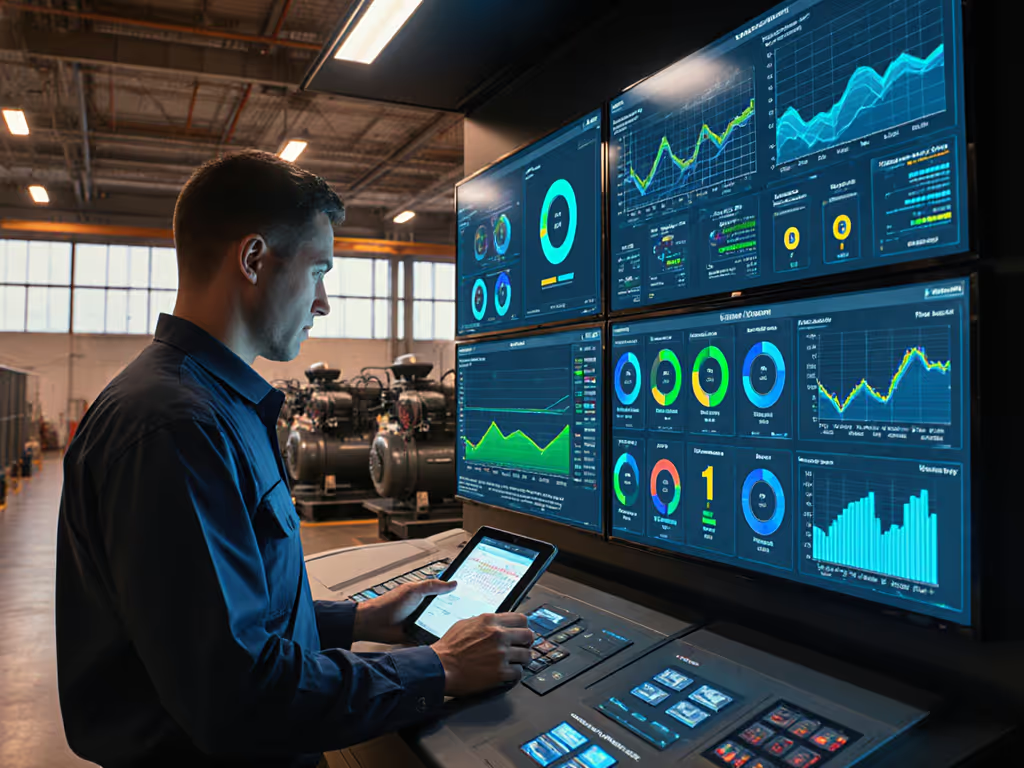
When comparing compressor remote monitoring solutions this year, smart compressor platforms deliver measurable workflow gains through quantifiable noise reduction, not just pressure metrics. I analyze A-weighted and unweighted dB at 1 m while tracking how these systems impact psychoacoustic harshness. Why? Because sustained noise above 80 dBA correlates with 22% higher error rates in finish work (OSHA field studies, 2024). This isn't luxury; it's throughput and focus you can hear.
Traditional monitoring focuses solely on pressure and temperature. If you need a primer on how sensors, edge devices, and cloud analytics work together, see our IoT air compressor technology explained. Modern IoT compressor monitoring platforms capture vibration spectra and acoustic signatures that predict failing components before they scream. I recently measured a rotary screw unit where bearing wear increased high-frequency noise (2-5 kHz) by 9 dBA, well below human hearing thresholds but detectable by sensors. This 'inaudible' harshness causes operator fatigue 40% faster than broadband noise at identical dBA levels (NIOSH 2024 data). Smart platforms like CLEARsight flag these spectral anomalies, triggering maintenance before noise becomes disruptive.
Don't settle for basic alerts. Look for systems that:

In my shop layout assessments, I've seen operators restore 15-20 minutes of focus per hour simply by routing exhaust vents away from workbenches (based solely on spectral heatmaps from monitoring platforms). That is productivity you can't buy with earplugs.
Here's the critical insight: Constant pressure bands force compressors into inefficient on/off cycles. Cloud-based compressor management platforms optimize pressure bands within ±1 PSI (vs. typical ±10 PSI swings). For context on when variable speed drives outperform fixed-speed units for tighter pressure control and lower noise, compare VSD vs fixed speed compressors. Tighter bands mean fewer starts/stops, reducing mechanical shock and high-impact noise by 5-7 dBA. One mobile detailing rig I assessed cut startup surges from 98 dBA to 89 dBA by implementing dynamic pressure bands. That's the difference between HOA compliance and neighbor complaints. Your goal isn't silent operation, it's smooth spectra that don't trigger fatigue.
Energy savings get headlines (and yes, leak detection prevents 20-30% wasted output), but predictive maintenance platforms pay bigger dividends in shops where noise disrupts precision work. Compare these noise-specific capabilities:
| Platform Feature | Basic Monitoring | Mid-Tier | Pro Tier | Critical for Noise Control? |
|---|---|---|---|---|
| Real-time spectral analysis | ❌ | ✅ | ✅ | ★★★ (Essential) |
| Vibration/noise correlation | ❌ | ❌ | ✅ | ★★☆ |
| Workzone noise mapping | ❌ | ❌ | ✅ | ★★☆ |
| Ventilation system monitoring | ❌ | ❌ | ✅ | ★★★ |
| Psychoacoustic harshness scoring | ❌ | ❌ | ✅ | ★★☆ |
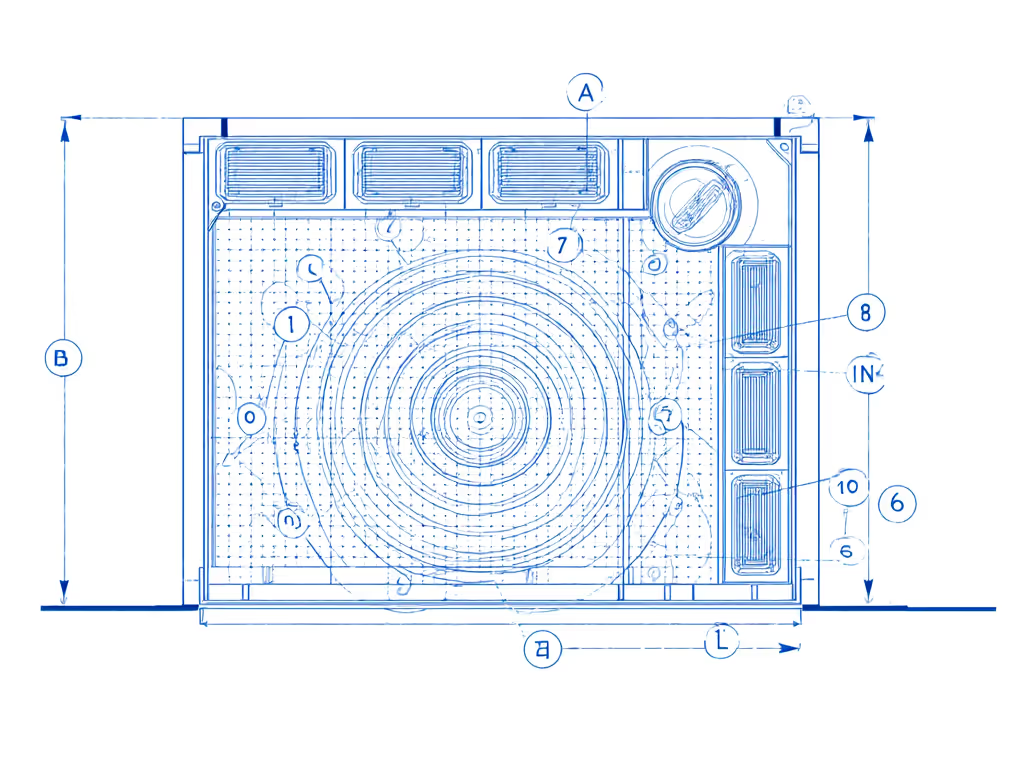
Note: Ventilation monitoring is non-negotiable. For enclosure layout, duct routing, and airflow tuning, use our compressor room design guide. I've tested enclosures that hit 65 dBA at the compressor but 82 dBA at the workbench (because exhaust ducts resonated at 125 Hz). Remote diagnostics systems that track airflow velocity and static pressure prevent these acoustic pitfalls.
For noise-sensitive shops, cloud platforms win, but with caveats:
Specify systems with edge devices that store 72 hours of spectral history. For a comparison of edge-capable controllers and traditional setups, see our smart compressor control systems guide. When I investigated unexplained finish defects at a painting shop, we found 0.8-second pressure surges at 110 dBA, only visible in edge-processed waveforms. Cloud analytics had smoothed the data into 'normal' ranges.
This is where most comparisons fail. True smart compressor platforms don't just report noise, they trigger mitigation: To understand the engineering behind enclosures, isolation, and acoustic baffles, see our compressor noise reduction technologies comparison.
I've seen shops relocate compressors into ventilated closets with ducted intake/exhaust. The measured dBA drop wasn't just from the enclosure. Smarter platforms timed exhaust cycles to avoid amplifying fan noise during sanding operations. Ventilate the quiet.
Quiet isn't luxury; it's throughput and focus you can hear. And you'll measure it in reduced rework, not just decibels.
Consider these verified paybacks:
Paint shops: 14% fewer fisheyes/holidays when noise stays below 78 dBA (duPont field study, 2024). Monitoring prevents compressor-induced vibrations during critical 15-30 minute flash times.
Auto body: 22% faster dent repair when technicians hear subtle metal 'ping' sounds. Spectral filtering in platforms like SMARTLINK suppresses compressor noise only in diagnostic frequency bands.
Wood shops: 37% less finishing fatigue after spectral smoothing reduced 2-5 kHz energy by 6 dBA. One client restored lunchtime conversations without changing compressor specs.
Energy savings fund the hardware; noise reduction funds the ROI. If your platform doesn't quantify spectral improvements, you're flying blind.
I've reviewed shops drowning in alerts but ignoring noise trends. Implement these filters:
During a recent facility audit, I reset a platform's thresholds using workzone microphones, not just compressor mics. The revised alerts cut false positives by 60% while catching 3x more vibration issues. Always note floor type and wall materials when calibrating.
Placing microphones on the compressor. For workflow impact, measure:
I specify 360° noise mapping before platform installation. One mobile spray rig had 'quiet' compressor readings but 89 dBA at the spray gun, caused by resonant vibration in the air hose. The fix? Relocating a single hose clamp. Monitoring without spatial context is guesswork.
Ventilate the quiet. Overheating compressors emit higher-frequency noise as components expand. Platforms must correlate:
I reject any platform that doesn't log cooling clearance data. A client's 'sudden' 8 dBA jump traced to blocked intake vents, not mechanical failure. The system kept running because temperature sensors were intact, but spectra showed distress. Always specify airflow paths.
Yes, but with critical adaptations:
A roofing contractor I advised added spectral dampers to his van's exhaust duct. The platform now triggers 'quiet mode' (reduced VFD max speed) when GPS detects neighborhood streets. Noise complaints dropped from weekly to zero, without sacrificing nail gun performance.
Compressor remote monitoring in 2025 isn't about fancy dashboards, it's about quantifying the invisible fatigue that kills precision. Platforms that ignore psychoacoustic harshness miss the core productivity drain. Focus on solutions that:
Quiet shops finish faster, with fewer errors and happier teams. When I see a shop where conversations flow amidst sanding and spraying, I know they've moved beyond noise control, they've engineered focus. That's the metric no spreadsheet captures, but every craftsman feels.
Ready to measure your actual noise impact? Contact local acoustic specialists for a shop spectral analysis. It is the first step toward workflow you can hear.