
Compressed Air System Audit: Quantify Energy Waste & Savings
2nd May•9 min read
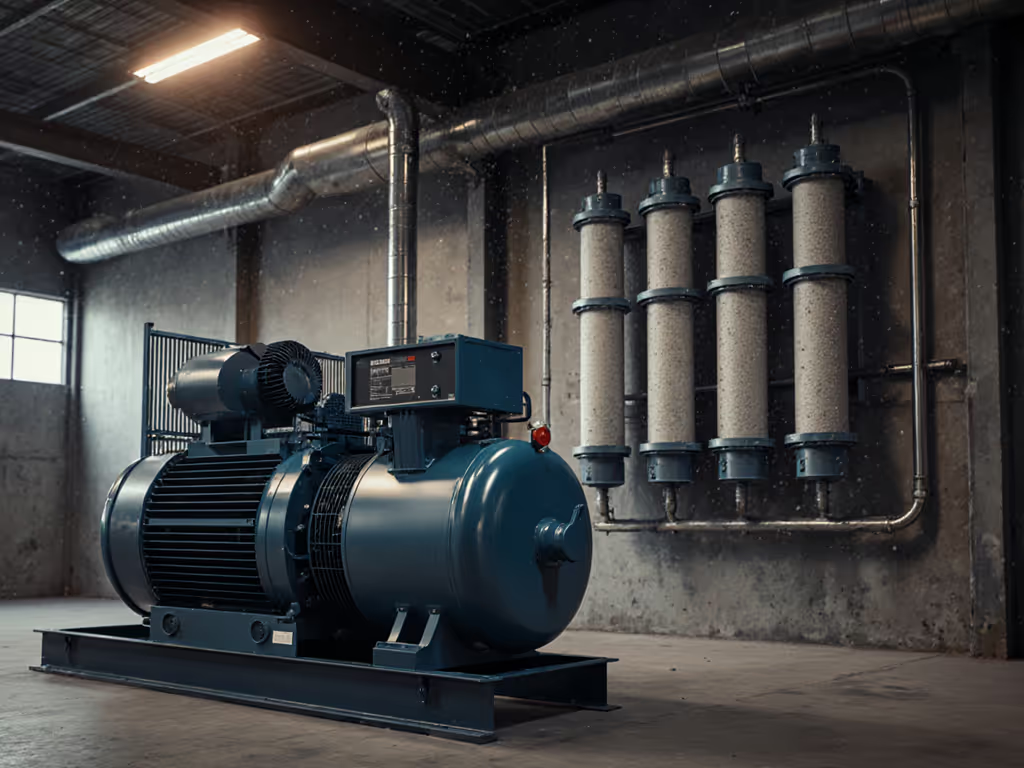
Your compressor room air quality starts long before it reaches your tools. It begins with intake air filtration. Most shop owners focus on downstream filters while ignoring the single biggest variable in system performance: what's entering the compressor in the first place. A shop in central Ohio learned this the hard way when they 'saved' $3,000 on a used rotary screw only to discover their $187 monthly electric bill included $82 attributed directly to inefficient operation from poor intake air. Let's cut through the marketing fluff and analyze what really matters in intake air management.
We've all seen compressors starved in cramped corners sucking their own exhaust, but few shops calculate the true cost. Compressor room ventilation isn't just about heat management (it's your first line of defense against particulate contamination that directly impacts oil carryover, moisture production, and overall efficiency). For detailed room layout and ventilation best practices, see our compressor room design guide.
Consider this math from a recent automotive body shop assessment:
That's $147 in wasted energy monthly just to process contaminants that proper intake filtration would have eliminated. And that doesn't include the hidden costs of premature filter changes downstream or moisture-related tool repairs.
The ISO 8573-1 standard gets tossed around, but manufacturers rarely explain what it means for your specific operation. If you need a deeper primer, start with our ISO 8573 air purity guide. Let's break it down pragmatically:
| Contaminant Type | Class 2 (Typical Workshop) | Class 1 (Quality Finish Work) | Cost Impact |
|---|---|---|---|
| Particulates >0.5µm | 1,000,000 particles/m³ | 20,000 particles/m³ | $38/mo in extra maintenance |
| Pressure Dew Point | +3°C | -40°C | $112/mo in energy |
| Total Oil Content | 1.0 mg/m³ | 0.01 mg/m³ | $87/mo in tool repairs |
Most shops overspec downstream while underspecifying intake. To right-size moisture control, compare refrigerated vs desiccant air dryers for your target dew point. Your intake air quality sets the baseline, and no downstream filter can improve what the compressor ingests. Duty cycle is destiny.
The Proven Math: For a 150 CFM shop compressor running 8 hours/day, 5 days/week:
Notice how the "cheapest" option actually costs 75% more annually? That's why I always say: Pay once for uptime, not forever for waste and noise.
You've probably been told to install your intake filter 10 feet off the ground. But here's what the ISO 8573-1 testing data reveals:
Track these three metrics during your next system audit:
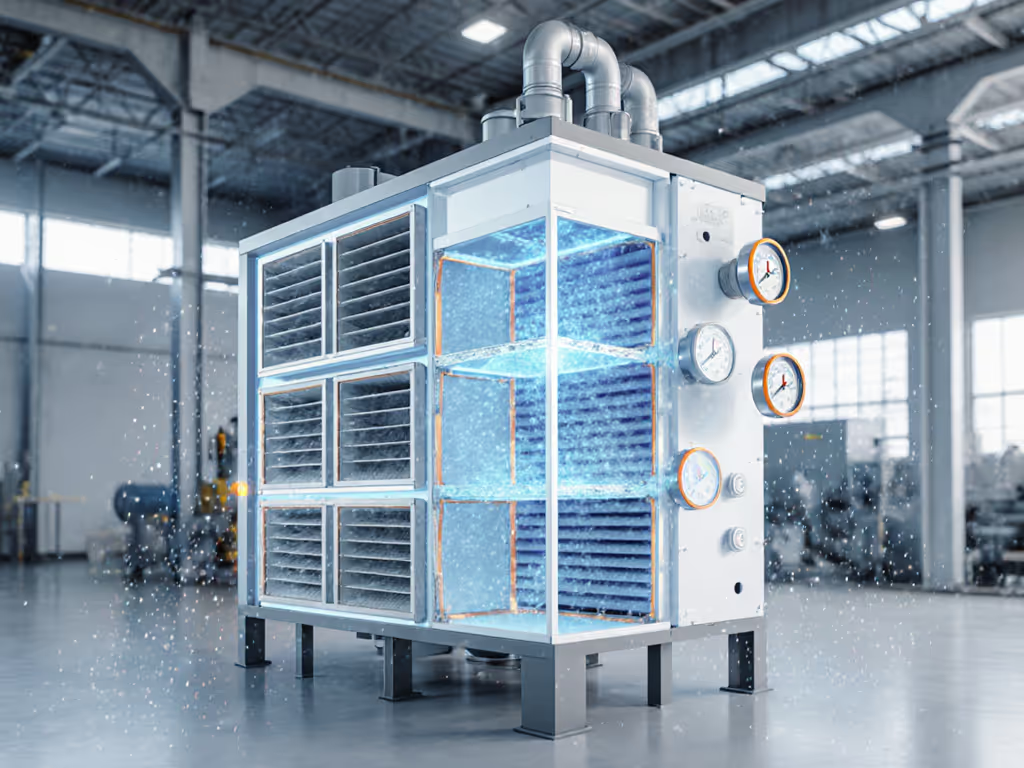
One cabinet shop I consulted nearly doubled their compressor lifespan after relocating their intake from a dusty corner to a filtered outdoor location. Their oil-free compressor (a model supposedly "maintenance-free") was replacing coalescing filters every 3 months due to excessive intake particulates. For selecting coalescing and particulate filters, see our advanced air treatment comparison. After fixing the intake, filter life extended to 8 months with zero oil carryover issues.
Skip the expensive third-party testing for now. Conduct this practical assessment:
Duty cycle is destiny (your compressor's performance is determined by what enters its intake, not just what you bolt on afterward).
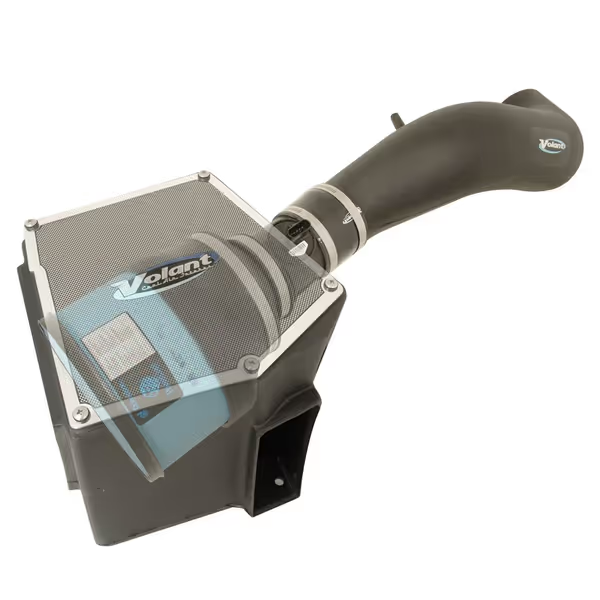
Your air contaminant management strategy must start at the source. I've seen shops spend thousands on sophisticated dryers while ignoring intake air that's 300% dirtier than necessary. Particulate control at the intake stage reduces moisture production, extends oil life (in oiled compressors), and cuts energy costs you didn't even know you had.
Don't let poor intake design erase your efficiency gains downstream. Measure your actual intake conditions, calculate the true cost of contaminants, and implement compressor intake filters that match your specific operating environment. Your compressor's longevity and your shop's bottom line depend on it.