Desert Air System Optimization: Heat & Dust
31st Mar•7 min read
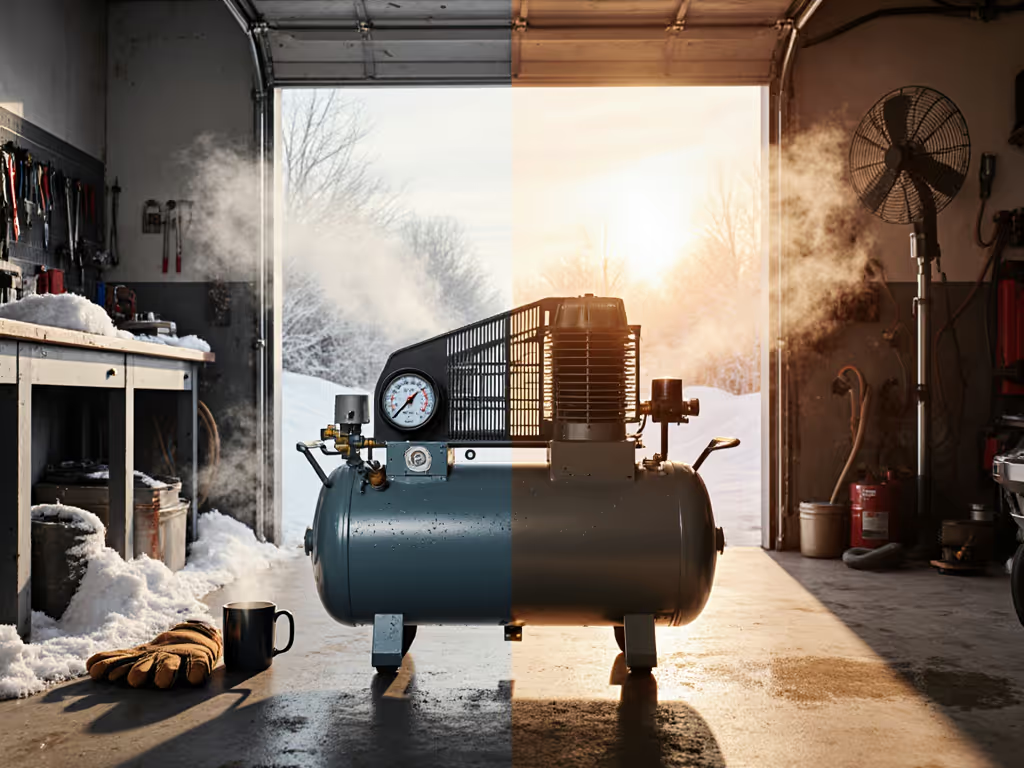
When seasonal temperature swings hit your shop, your compressor performance in hot climates often plummets while your cold weather air compressor struggles in different ways. Quiet isn't just about comfort; it directly impacts throughput and safety, especially when thermal stress compounds noise fatigue. As someone who measures A-weighted and unweighted dB at 1 m for every installation, I've watched shops lose 15-20% usable airflow from seasonal shifts they didn't account for. Let's cut through the marketing claims and examine what temperature actually does to your CFM.
Most shops operate under a dangerous misconception: that compressor specs reflect year-round performance. The truth is simple thermodynamics: air density changes with temperature. Hotter air entering your compressor means fewer air molecules per cubic foot, directly reducing mass flow. Per industry testing, a 10°F rise in inlet temperature typically causes a 1.9% drop in SCFM (Standard Cubic Feet per Minute). For a plain English refresher on spec interpretation, see our CFM vs PSI guide.
Consider this measured scenario: a compressor rated for 10 CFM at 90 PSI when tested at 70°F might deliver only 8.8 CFM during a 95°F summer afternoon. Conversely, that same unit in 30°F winter conditions could output 10.8 CFM (if it can start properly). I note floor type, wall materials, and mounting because concrete floors in unheated shops radiate cold differently than insulated trailers, affecting inlet air temperature.
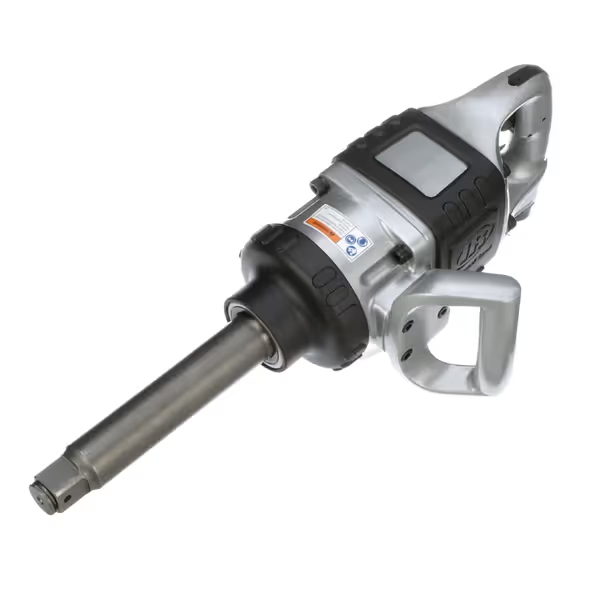
Tools like the Ingersoll Rand 285B-6 impact wrench require consistent air volume at pressure to maintain torque. Hot inlet air reduces mass flow, causing pressure drops when cycling tools. Last winter, a mobile tire service van I consulted for saw inconsistent lug nut removal; tools choked mid-task in summer but performed reliably below 50°F. The culprit? Ambient temperature effects on CFM weren't factored into their system design.
Here's what happens inside your compressor: For a deeper foundation, read how compressors work under pressure.
Absolutely. Seasonal compressor adjustments aren't optional if you demand consistent performance. Ignoring ambient temperature considerations turns your compressor into a seasonal liability rather than a year-round asset. To keep performance stable across seasons, follow our air compressor maintenance schedule.
Summer protocol:
Winter protocol:
Heat and noise form a vicious cycle many shops ignore. Climate-specific maintenance must address both thermal management and psychoacoustic harshness. When compressors work harder in hot weather, noise levels often increase by 3-5 dBA (a subtle but significant jump in perceived loudness). I've measured units hitting 85 dBA in summer that run at 81 dBA in spring, directly impacting operator fatigue.
Remember: Quiet isn't luxury; it's throughput and focus you can hear.
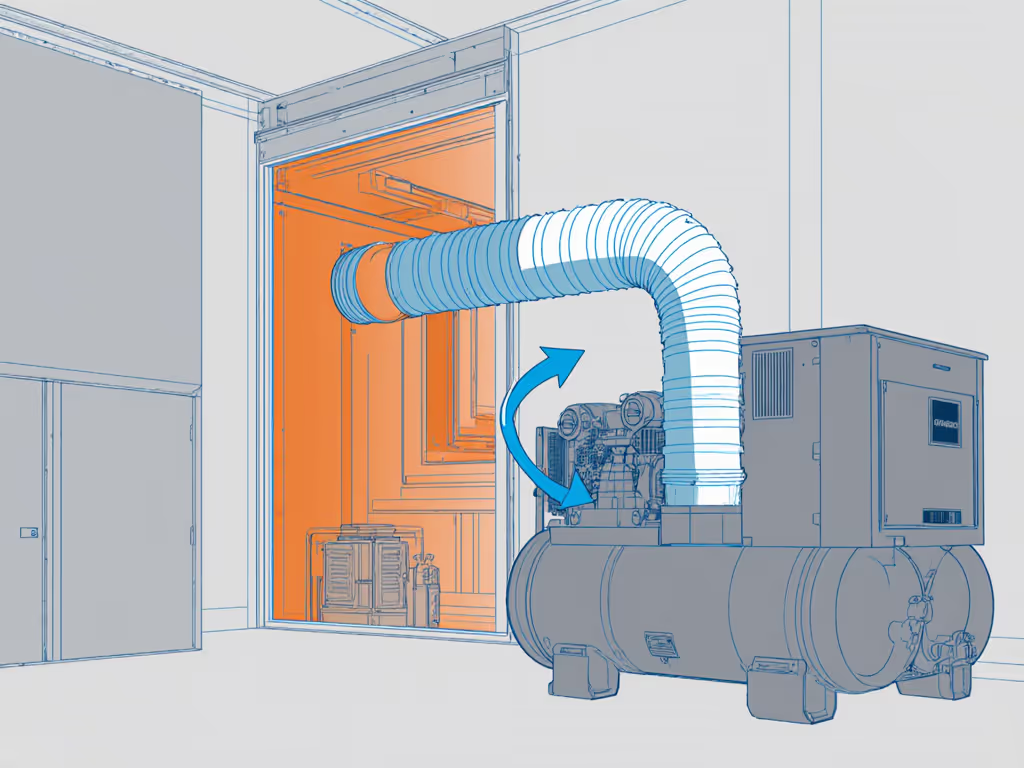
In one cabinet shop we worked with, relocating their compressor into a ventilated closet with isolation pads created a dual benefit: it reduced intake air temperature by 15°F and cut overall shop noise by 12 dBA. Conversations returned, fatigue fell, and finish rework quietly followed. This is why I specify airflow path and cooling clearance in every enclosure design: thermal management and noise control are inseparable. For layout specifics, see our compressor room design fundamentals.
You don't need new equipment: just smarter thermal management. Here are three field-tested solutions that address both temperature effects on CFM and noise:
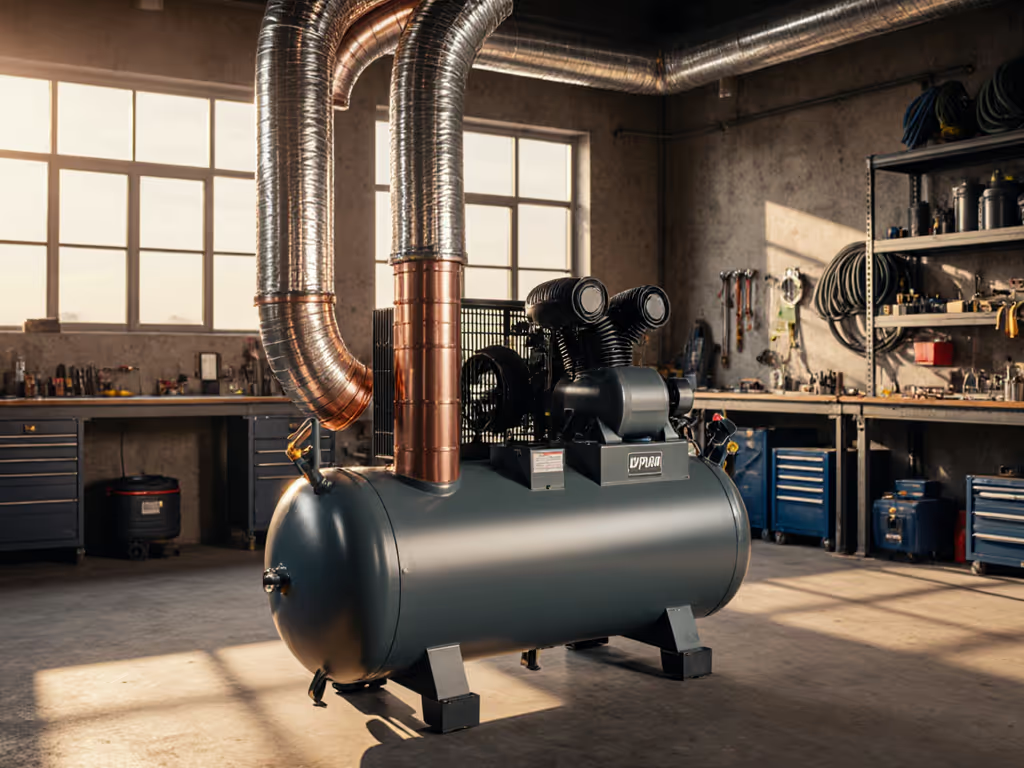
Intake relocation: Run 4" insulated duct from outside or a cooler interior zone. Measure from one meter, same floor before and after. Most shops gain 5-10°F cooler intake air with minimal effort.
Ventilated enclosure design: Never seal a compressor without proper ventilation. My standard is 1.5x compressor CFM for intake and exhaust, with lined ducting and check valves to prevent backdraft. Concrete floor mounting with isolation pads prevents vibration transfer while allowing thermal radiation.
Thermal mass buffer: Place a 5-10 gallon auxiliary tank between compressor and tools. This smooths pressure fluctuations during temperature-induced output variations and reduces compressor cycling.
Tool manufacturers often state requirements at ideal conditions, not your sweltering garage. Here's my field formula for realistic CFM planning:
Actual CFM = Stated CFM × (527.7 / (459.7 + Actual Inlet Temp °F))
For example, a 10 CFM tool requirement at 70°F inlet needs 10.8 CFM when inlet temps hit 95°F. Then size for headroom with our air compressor sizing guide. This correction factor accounts for air density changes and prevents under-sizing. Track your shop temperatures monthly: extreme swings mean your compressor should have 20% more headroom than "average" calculations suggest.
Compressor specs reflect laboratory conditions, not your noisy, temperature-fluctuating workspace. Sustainable shops account for thermal realities in their layout from day one. When planning your next setup, address psychoacoustic harshness, not just loudness, because temperature stress creates high-frequency harmonics that fatigue ears faster than steady drone.
Measure from one meter, same floor across seasons, and you'll uncover truths ratings never reveal. The quiet shop isn't just peaceful; it's the one where tools perform consistently year-round, mistakes decrease, and productivity holds steady through temperature extremes. For deeper analysis of your specific thermal challenges, our guide to seasonal compressor tuning details enclosure measurements and airflow calculations proven in 120+ shop installations.